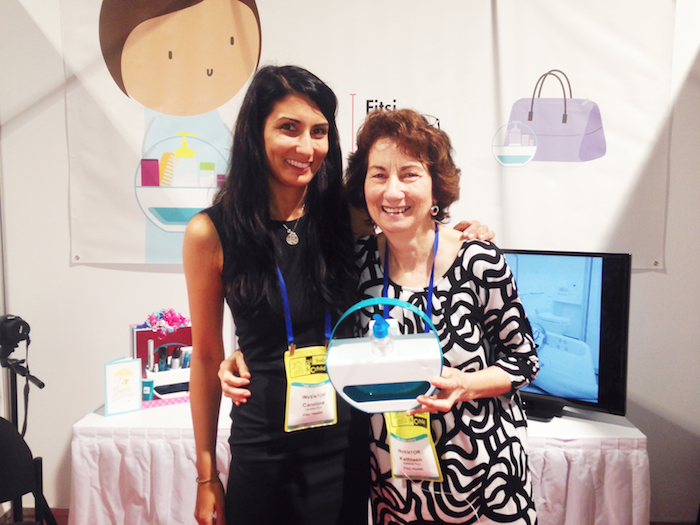

CAROLINE Mitchell
Caroline brings a background in management consulting working with healthcare, media and consumer goods clients in areas such as informatics, customer experience, brand and innovation strategy. Caroline has a Bachelor of Arts in Philosophy-Economics from Columbia University in New York. She is the co-founder of Art | Think, which curates contemporary artist talks for organizations, and is part of the Nest Creative Advisory Council and Fellowship Program.
Kathleen Puri
Kathleen is a registered nurse and an associate professor of nursing with over 30 years of experience in hospital patient care. She is a recipient of the Teaching Excellence Award for Chattanooga State Community College and is the Chairperson of the Quality Council for the healthcare facility Alexian Village of Tennessee. Kathleen is a graduate of the St. Francis Hospital School of Nursing in Hartford, CT. She holds a B.S. in Health Science from the University of Hartford, and a master's degree in Nursing from the University of Connecticut.
John Ekholm
John is a product design and development consultant for a variety of clients in fields ranging from medical devices to architectural fixtures. He holds a B.A. in Biological Science from the University of Chicago as well as a master's degree in Product Design and Development from the Illinois Institute of Technology.
Press
Hand hygiene is the best method to prevent the transmission of infections. Hand hygiene for hospitalized patients sounds obvious – something that should be easy to accomplish and regarded as important to the patient experience. However, patient hand hygiene is a problem for most hospitals today. It is difficult to accomplish and not monitored by healthcare personnel. No infection preventionist will argue against the importance of patient hand hygiene. However, since it is neither prioritized nor measured by hospitals, it falls through the cracks. This, coupled with the fact that more and more research points to patients as the “missing link” in infection control efforts means that, in order to reduce hospital acquired infections (HAIs), hospitals need dedicated efforts to improve patient hand hygiene. Key to achieving these efforts is empowering patients to make hand hygiene easy to do on their own and to understand the critical importance cleaning their hands plays in preventative care.
Kathleen Puri had been a nurse for many years, but it wasn’t until she became a hospital patient that the issue of hospital patient hygiene began to truly bother her. She noticed that patients confined to a hospital bed had no way to conveniently and easily wash their hands — one of the easiest ways to prevent the almost 100,000 deaths (more than those caused by diabetes or breast and prostate cancer combined) attributed to infections acquired in hospitals annually.
Fitsi Health co-founder Caroline Mitchell talks about the importance of Human-Centered Design, and how this affects their process and work.